ldpe tubing low density polyethylene tubing properties benefits and applications
LDPE Tubing – Low-Density Polyethylene Tubing: Properties, Benefits & Applications
Published: 27 August 2026
Read Time: 5.52 mins
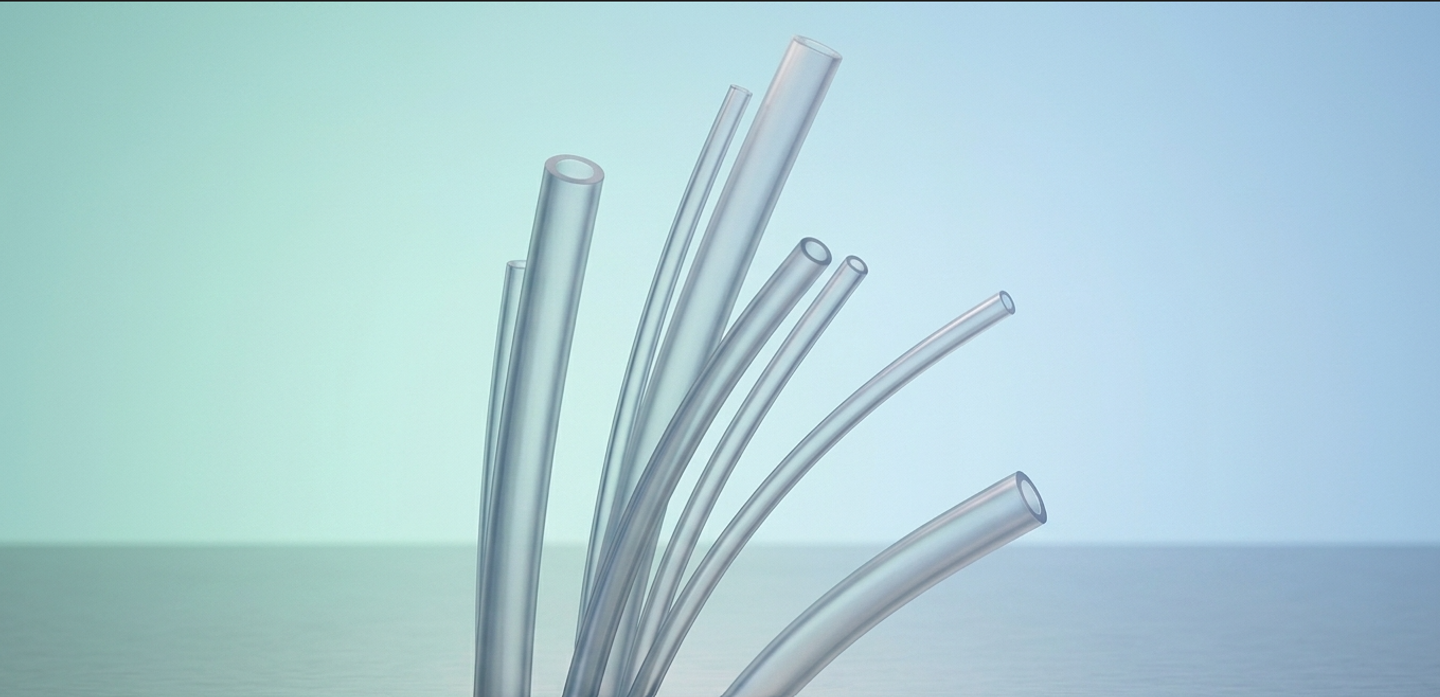
Low-Density Polyethylene (LDPE) tubing is a flexible, lightweight and cost-effective tubing solution used across a wide range of industrial, laboratory, agricultural and fluid-handling applications.
At Altec Extrusions Ltd, we supply LDPE tubing in a range of sizes from stock and can also manufacture bespoke LDPE tubing to meet specific application requirements. If you cannot find the size or specification you require, contact our team for a quote.
What Is LDPE Tubing?
LDPE tubing is manufactured from low-density polyethylene, a thermoplastic material known for its flexibility, lightweight construction, chemical resistance and durability.
Because of these properties, LDPE tube is commonly used for low-pressure fluid transfer, water systems, chemical dosing, laboratory equipment, food and beverage applications and industrial processes.
The exact performance of LDPE tubing will depend on the grade, dimensions, operating temperature, pressure and intended application.
Properties of LDPE Tubing
1. Excellent Flexibility
One of the key benefits of LDPE tubing is its flexibility. It can be easily routed around equipment and installed in confined or awkward spaces.
Its flexibility can also reduce the need for additional fittings, helping to simplify installation and system design.
2. Lightweight Construction
LDPE is significantly lighter than many metal and engineering-plastic tubing alternatives. This makes LDPE tubing easy to transport, handle and install while helping to reduce the overall weight of a system.
3. Good Chemical Resistance
Low-density polyethylene tubing provides good resistance to many commonly used chemicals, including:
- Dilute acids
- Alkalis
- Alcohols
- Salts
- Water-based solutions
However, LDPE tubing is not suitable for every chemical environment. Prolonged exposure to strong oxidising agents, aromatic solvents and chlorinated solvents may affect the material.
Always check chemical compatibility before selecting LDPE tubing for a specific application.
4. Moisture Resistance
LDPE has very low moisture absorption, making LDPE tube suitable for applications where consistent performance is required in damp or wet environments.
5. Smooth Internal Surface
The smooth internal bore of LDPE tubing helps minimise friction and pressure loss while reducing the potential for particle build-up.
This makes it well suited to applications where efficient fluid flow is important.
6. Good Impact Resistance
LDPE offers good resistance to impact and cracking under normal operating and handling conditions. It can also maintain useful flexibility at lower temperatures.
7. Low-Temperature Performance
LDPE tubing retains much of its flexibility in cold environments, making it suitable for certain outdoor, refrigeration and low-temperature applications.
The specific temperature range will depend on the grade and manufacturer specification.
8. Food-Grade Compatibility
Certain grades of LDPE tubing are manufactured to meet relevant food-contact requirements.
Where tubing is intended for food or beverage applications, the appropriate food-grade LDPE tubing should be selected and its certification verified for the intended use.
Benefits of LDPE Tubing
Cost-Effective
LDPE tubing is an economical option for many general-purpose fluid transfer applications. It can provide reliable performance without the higher cost associated with some specialist tubing materials.
Easy to Install
The combination of flexibility and lightweight construction makes LDPE tubing easy to handle and install, potentially reducing installation time and labour requirements.
Corrosion Resistant
Unlike metal tubing, LDPE does not rust or corrode. This makes it particularly useful for water systems and applications where corrosion resistance is important.
Chemical Compatibility
LDPE performs well with many common laboratory and industrial chemicals, making it suitable for a wide range of fluid-handling applications.
Low Maintenance
Its resistance to corrosion, scaling and many chemicals can help reduce maintenance requirements when the tubing is correctly specified and operated within its recommended limits.
Electrical Insulation
LDPE is a good electrical insulator, making it useful in applications where electrical isolation is required.
Durable Service Life
When correctly selected and operated within the recommended pressure and temperature limits, LDPE tubing can provide long-lasting and reliable service.
Recyclability
LDPE is a recyclable plastic. Where suitable recycling facilities are available, used LDPE products may be able to enter appropriate recycling streams.
Common Applications of LDPE Tubing
LDPE tubing is used across a wide range of industries and applications, including:
- Laboratory fluid transfer
- Water purification systems
- Food and beverage dispensing
- Agricultural irrigation
- Chemical dosing equipment
- Pneumatic control lines
- Medical and diagnostic equipment, where appropriate medical-grade tubing is specified
- Aquarium systems
- Hydroponic systems
- Packaging machinery
- General industrial fluid handling
The correct tubing grade, size and specification should always be selected based on the intended application.
LDPE Tubing Limitations
Although LDPE tubing offers many advantages, it is important to understand its limitations before selecting it for an application.
Pressure Limitations
LDPE generally has a lower pressure rating than some rigid plastics and engineering tubing materials. The maximum working pressure depends on factors including tubing dimensions, temperature and material grade.
Temperature Limitations
LDPE is not designed for high-temperature applications. Depending on the grade and manufacturer, continuous operating temperatures may typically be in the region of 60–80°C.
Always refer to the manufacturer's technical specification for the exact operating limits.
Abrasion Resistance
LDPE may be less resistant to abrasion than some engineering plastics, so alternative tubing materials may be more appropriate for applications involving significant mechanical wear.
Chemical Limitations
LDPE is not compatible with every chemical. Strong oxidising chemicals and many hydrocarbon-based solvents can affect the material.
Chemical compatibility should therefore be checked before use.
How to Choose the Right LDPE Tubing
When selecting LDPE tubing, consider:
- Internal and external diameter
- Wall thickness
- Required tubing length
- Operating pressure
- Operating temperature
- Chemical compatibility
- Fluid or gas being transferred
- Flexibility requirements
- Food-contact or other certification requirements
- Whether a standard or bespoke size is required
Choosing the correct specification helps ensure that the tubing performs reliably and safely within the intended application.
Why Choose LDPE Tubing from Altec Extrusions?
At Altec Extrusions Ltd, we supply LDPE tubing in a range of sizes from stock and can also produce bespoke tubing for applications requiring specific dimensions or requirements.
Whether you need standard low-density polyethylene tubing or a custom solution, our team can help you identify a suitable option for your application.
Can't find the LDPE tubing size you need? Contact Altec Extrusions Ltd today to discuss your requirements and request a quote.
Frequently Asked Questions About LDPE Tubing
What is LDPE tubing used for?
LDPE tubing is commonly used for low-pressure fluid transfer, water purification, laboratory equipment, irrigation, chemical dosing, food and beverage dispensing and general industrial applications.
Is LDPE tubing flexible?
Yes. Flexibility is one of the main properties of LDPE tubing, making it easy to route around equipment and install in confined spaces.
Is LDPE tubing chemical resistant?
LDPE tubing offers good resistance to many chemicals, including dilute acids, alkalis, alcohols and salts. However, it is not compatible with all chemicals, so chemical compatibility should always be checked.
Can LDPE tubing be used for food and beverage applications?
Some grades of LDPE tubing are manufactured for food-contact applications. The specific tubing must have the appropriate certification for its intended use.
What temperature can LDPE tubing withstand?
The maximum operating temperature varies according to the material grade and manufacturer. Some LDPE tubing products may be suitable for continuous use at approximately 60–80°C, but the manufacturer's specification should always be checked.
Can Altec Extrusions manufacture bespoke LDPE tubing?
Yes. In addition to supplying standard LDPE tubing sizes from stock, Altec Extrusions Ltd can produce bespoke LDPE tubing for applications requiring specific dimensions or specifications.
Contact us to discuss your requirements and request a quote.