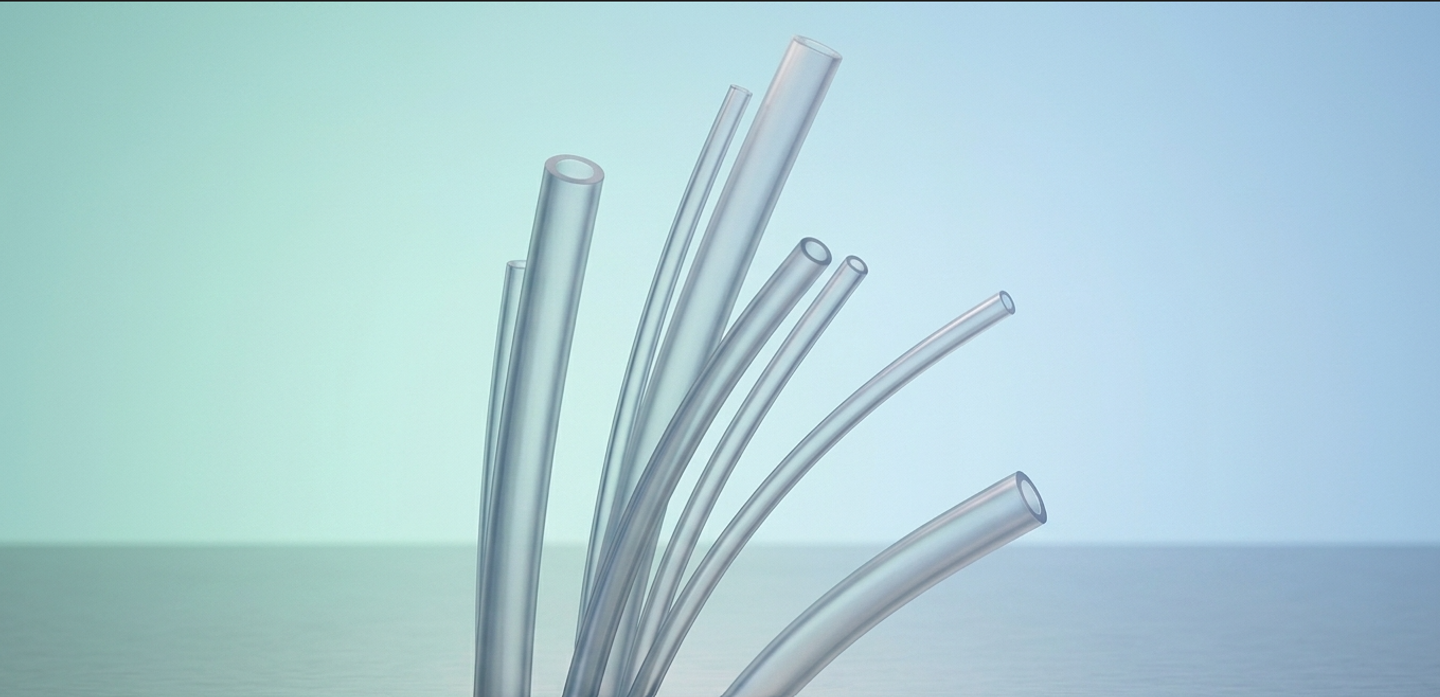
peristaltic tubing the complete guide to materials applications and benefits
Peristaltic Tubing: The Complete Guide to Materials, Applications and Benefits
Published: 30 July 2026
Read Time: 5.505 mins
Altec Extrusions supplies high-quality peristaltic tubing in a wide range of sizes and materials, designed to deliver reliable, hygienic and accurate fluid transfer across medical, pharmaceutical, food processing and industrial applications.
What Is Peristaltic Tubing?
Peristaltic tubing is the essential component of every peristaltic pump system. While the pump provides the mechanical action, the tubing is responsible for transporting the fluid. Unlike traditional pumping systems, the fluid only comes into contact with the inside of the tubing, eliminating the risk of contamination from pump components.
This makes peristaltic pump tubing the preferred solution for applications where cleanliness, precision and chemical compatibility are critical. It is widely used in pharmaceutical manufacturing, biotechnology, laboratories, food and beverage production, chemical processing and water treatment.
Choosing the right tubing material can significantly improve pump performance, reduce maintenance and extend equipment life.
How Does Peristaltic Tubing Work?
Peristaltic pumps operate using a simple yet highly effective principle. Rotating rollers compress the flexible tubing, pushing the fluid through the tube. As the rollers move away, the tubing returns to its original shape, creating a vacuum that draws more fluid into the pump.
The process follows these steps:
- Rollers compress the flexible tubing.
- The compression forces the fluid forward.
- The tubing recovers to its original shape.
- A vacuum draws fresh fluid into the tube.
- Continuous rotation creates a smooth and consistent flow.
Because the fluid never touches the pump's internal components, peristaltic tubing provides a clean, hygienic and contamination-free method of fluid transfer.
Benefits of Peristaltic Tubing
Contamination-Free Fluid Transfer
Since the fluid only contacts the tubing, there is virtually no risk of contamination from seals, valves or pump components. This makes peristaltic tubing ideal for sterile and hygienic applications.
Gentle Pumping Action
Peristaltic tubing provides low-shear pumping, making it suitable for delicate products including:
- Cell cultures
- Blood products
- Protein solutions
- Enzymes
- Slurries containing fragile particles
Excellent Chemical Resistance
Depending on the material selected, peristaltic tubing can safely transfer:
- Acids
- Alkalis
- Solvents
- Detergents
- Corrosive chemicals
This versatility makes it suitable for demanding industrial environments.
Accurate Flow Control
The consistent internal diameter of quality peristaltic tubing enables highly accurate dosing and metering, making it ideal for filling, dispensing and laboratory applications.
Easy Maintenance
Because the tubing is the only component that comes into contact with the fluid, maintenance is simple. Replacing the tubing restores performance without requiring extensive pump servicing, reducing downtime and lowering maintenance costs.
Types of Peristaltic Tubing Materials
Selecting the correct tubing material is essential for achieving maximum performance and service life.
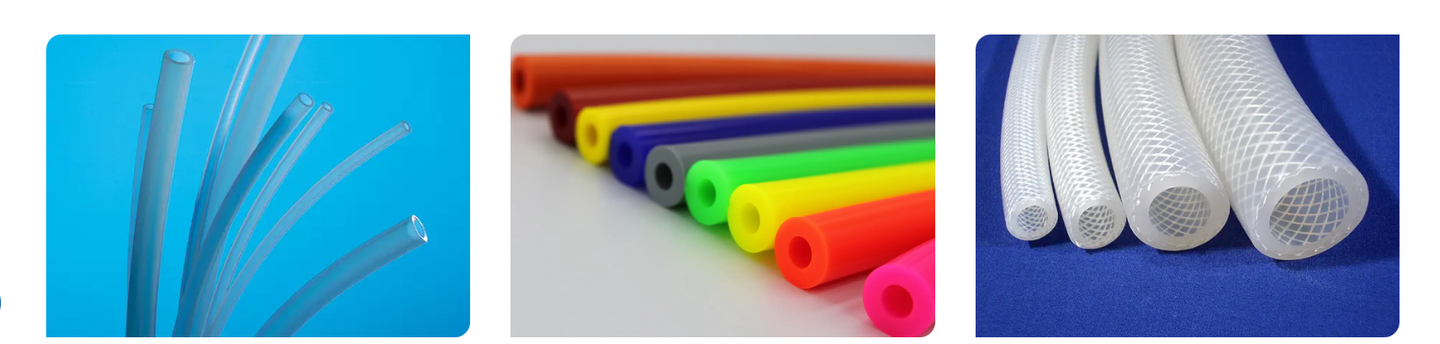
Silicone Peristaltic Tubing
Silicone tubing is one of the most popular choices due to its:
- Excellent flexibility
- High purity
- Biocompatibility
- Smooth internal surface
- Wide operating temperature range
Silicone tubing is commonly used in pharmaceutical manufacturing, laboratories and medical equipment.
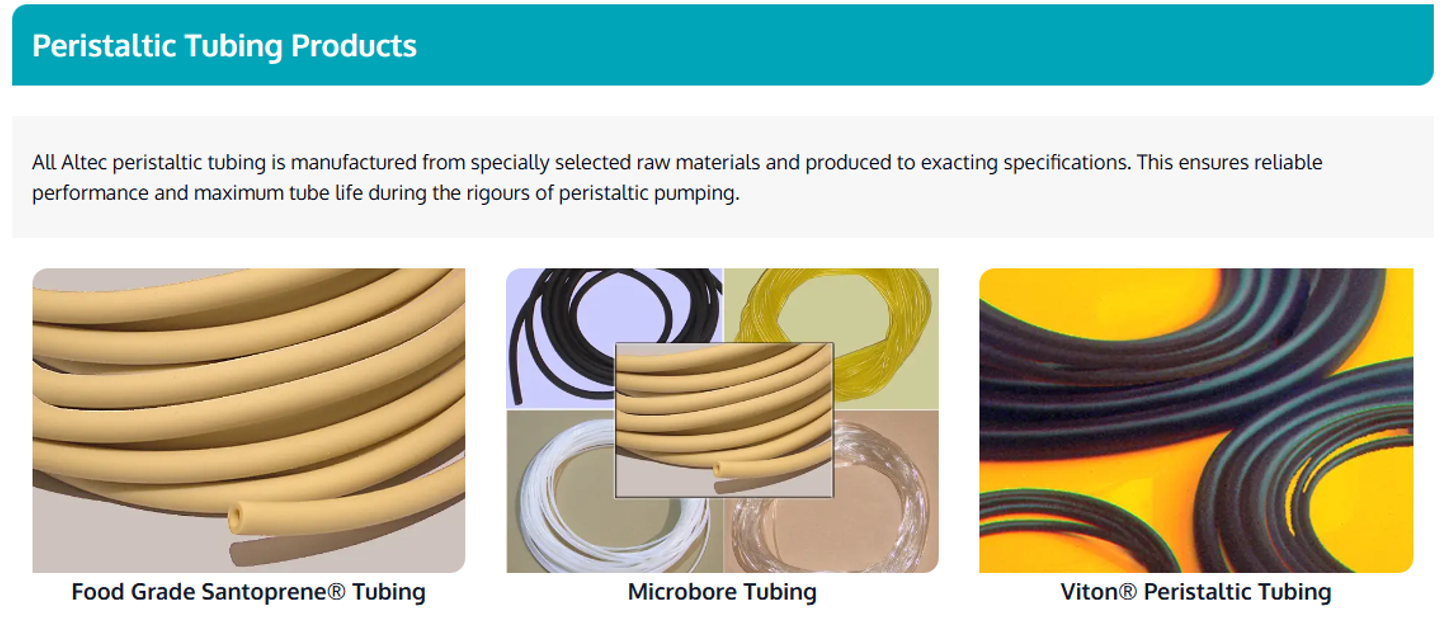
Santoprene® Tubing
Santoprene tubing offers:
- Exceptional flex life
- Excellent fatigue resistance
- Strong chemical compatibility
- Long service life
It is widely used in industrial processing and chemical handling applications.
Viton® Tubing
Viton tubing is designed for demanding environments requiring:
- Outstanding solvent resistance
- High-temperature performance
- Excellent chemical stability
- Long-lasting durability
It is ideal for aggressive chemicals, fuels and industrial fluids.
PVC Tubing
PVC tubing provides an economical solution for general fluid transfer and offers:
- Good flexibility
- Easy installation
- Cost-effective performance
- Reliable operation
Applications of Peristaltic Tubing
Pharmaceutical Industry
Peristaltic tubing supports:
- Sterile fluid transfer
- Vaccine manufacturing
- Drug production
- Filling operations
- Bioprocessing
Food and Beverage Processing
The hygienic pumping action makes peristaltic tubing ideal for transferring:
- Milk
- Syrups
- Juices
- Sauces
- Dairy products
- Flavourings
Chemical Processing
Chemical-resistant tubing safely handles:
- Acids
- Caustics
- Cleaning chemicals
- Industrial reagents
- Corrosive fluids
Water and Wastewater Treatment
Peristaltic tubing is widely used for:
- Chemical dosing
- pH correction
- Chlorine injection
- Polymer dosing
- Sludge transfer
Medical Equipment
Medical-grade peristaltic tubing is commonly found in:
- Dialysis machines
- Infusion pumps
- Blood analysers
- Laboratory equipment
- Medical dispensing systems
Biotechnology
Applications include:
- Cell culture media
- Nutrient dosing
- Fermentation
- Bioreactors
- Sterile fluid transfer
How to Choose the Right Peristaltic Tubing
Selecting the correct peristaltic pump tubing depends on several important factors.
Chemical Compatibility
Always ensure the tubing material is compatible with the fluid being transferred to prevent degradation and contamination.
Temperature Range
Choose tubing that can withstand both the operating and cleaning temperatures of your application.
Pressure Rating
Different tubing materials have varying pressure capabilities. Always select tubing suitable for your system's operating pressure.
Flex Life
Since tubing is repeatedly compressed during operation, selecting materials with high flex life helps reduce replacement frequency and maintenance costs.
Flow Rate
The internal diameter of the tubing determines flow capacity. Selecting the correct size ensures accurate and efficient fluid transfer.
Regulatory Compliance
For pharmaceutical, food and medical applications, ensure the tubing complies with relevant standards such as FDA or USP Class VI where required.
When Should Peristaltic Tubing Be Replaced?
Routine inspection helps prevent unexpected downtime. Replace tubing if you notice:
- Cracks or splits
- Flattening
- Loss of elasticity
- Reduced flow rates
- Fluid leakage
- Surface discolouration
- Excessive wear caused by repeated compression
Establishing a preventative maintenance schedule will improve reliability and maximise pump performance.
Tips for Maximising Tubing Life
To achieve the longest service life:
- Select tubing designed for your application.
- Avoid exceeding recommended pressure limits.
- Operate pumps within recommended speed ranges.
- Inspect tubing regularly.
- Replace tubing before failure occurs.
- Store tubing in a cool, dry environment away from direct sunlight and ozone.
- Follow manufacturer installation guidelines.
These simple practices help minimise downtime and reduce long-term operating costs.
Why Choose Altec Extrusions for Peristaltic Tubing?
At Altec Extrusions, we manufacture high-quality peristaltic tubing engineered for consistent performance across demanding industrial, medical and food-grade applications. Our extensive range of tubing materials, sizes and custom extrusion capabilities enables customers to find the right solution for virtually any fluid transfer requirement.
Whether you require silicone, Santoprene®, Viton® or PVC tubing, our experienced team can help you select the best material for your application.
Frequently Asked Questions
What is peristaltic tubing used for?
Peristaltic tubing is used to safely transfer liquids in pharmaceutical manufacturing, laboratories, medical devices, food production, biotechnology, chemical processing and water treatment. Because the fluid only contacts the tubing, contamination risks are significantly reduced.
Which material is best for peristaltic tubing?
The ideal material depends on the application. Silicone is commonly used for medical and pharmaceutical applications, Santoprene® offers excellent durability for industrial use, Viton® provides outstanding chemical resistance, while PVC is an economical option for general fluid transfer.
How long does peristaltic tubing last?
Tubing life depends on operating speed, pressure, chemical compatibility and duty cycle. Regular inspections and preventative replacement help maximise performance and avoid unexpected failures.
Why is peristaltic tubing important?
Peristaltic tubing acts as both the pumping chamber and the fluid pathway within a peristaltic pump. Selecting the correct tubing improves flow accuracy, pump efficiency, product quality and equipment longevity.
Conclusion
Peristaltic tubing is far more than a simple flexible tube—it is the critical component that enables safe, hygienic and accurate fluid transfer across countless industries. From pharmaceutical manufacturing and biotechnology to food processing, chemical production and water treatment, the right peristaltic pump tubing ensures reliable performance while reducing contamination risks and maintenance requirements.
By selecting the correct tubing material, size and performance characteristics, businesses can improve pump efficiency, extend equipment life and maintain consistent process reliability. Investing in high-quality peristaltic tubing from Altec Extrusions means investing in long-term performance, operational efficiency and dependable fluid transfer solutions.
Contact Altec Extrusions
Looking for high-quality peristaltic tubing for your application?
Altec Extrusions manufactures precision-engineered tubing in a wide range of materials and sizes, with bespoke extrusion solutions available to meet your exact requirements. Contact our team today to discuss your application or request a quotation.